

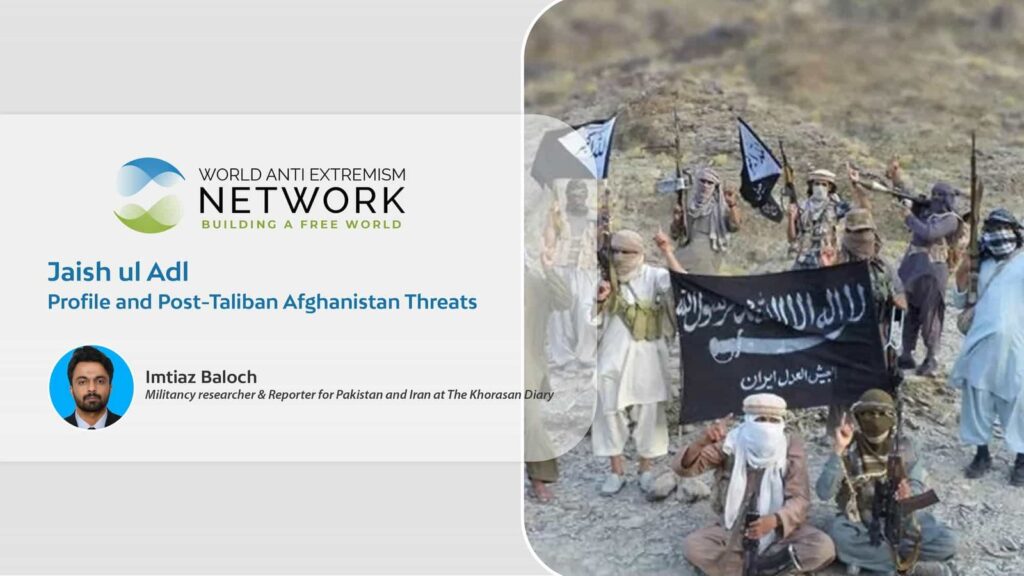
Jaish ul Adl Profile and Post-Taliban Afghanistan Threats
In a world where the headlines are often dominated by tales of violence and extremism, it’s crucial to pause and reflect on the deeper narratives that fuel these conflicts. The tragic irony...
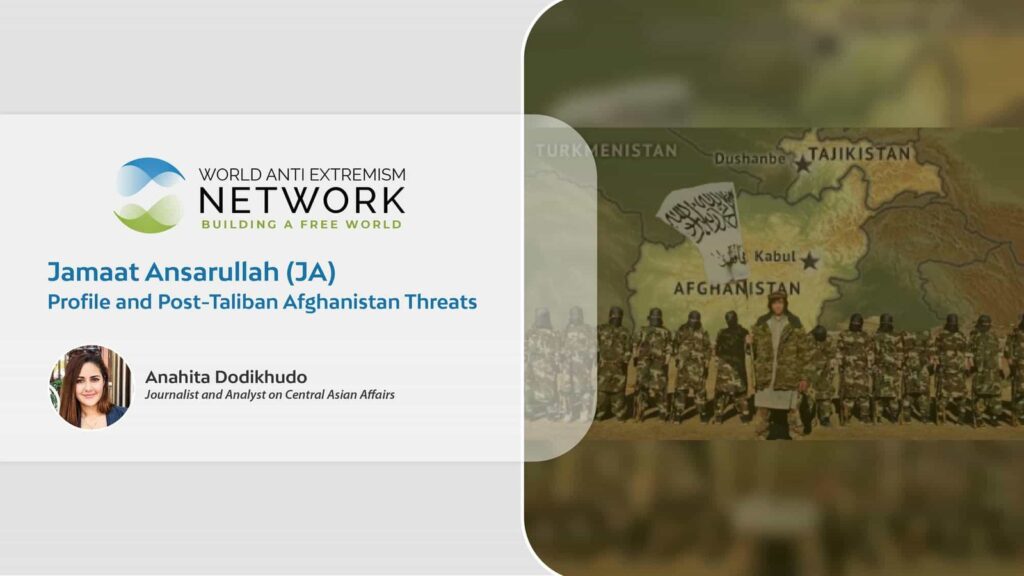
Jamaat Ansarullah (JA) Profile and Post-Taliban Afghanistan Threats
Imagine standing at the crossroads of ideology and violence, where beliefs clash against the backdrop of geopolitics. In the heart of Central Asia, a militant group known as Jamaat Ansarullah (JA) is...
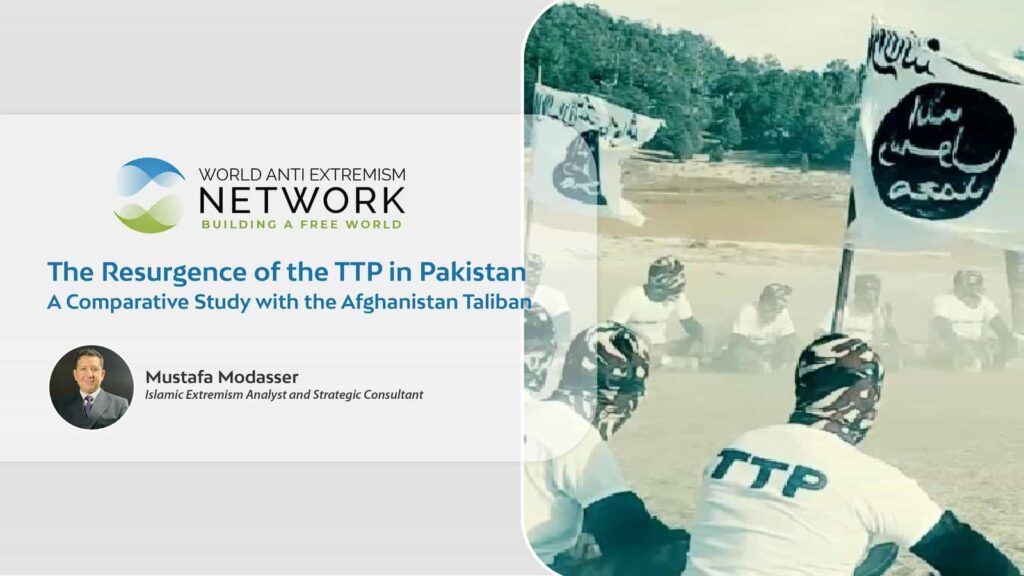
The Resurgence of the TTP in Pakistan: A Comparative Study with the Afghanistan Taliban
While claiming to establish an Islamic caliphate and taking the responsibility for terrorist attacks, the true mission of Tehrik e Taliban Pakistan has become obscured, transforming the group into a source of...
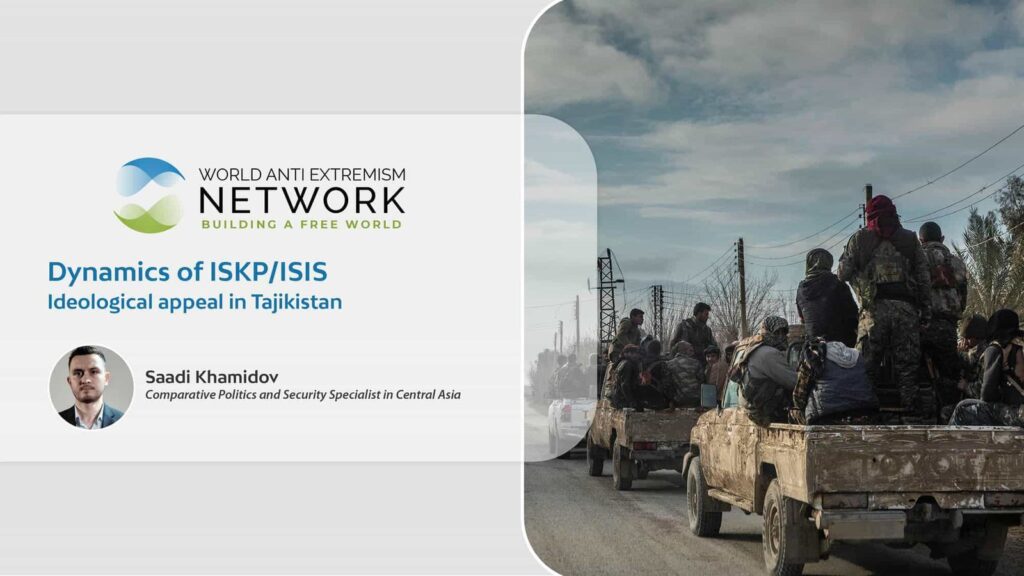
Dynamics of ISKP/ISIS ideological appeal in Tajikistan
In today’s rapidly shifting global landscape, violent extremism remains a profound threat to diverse, multi-cultural societies. In an insightful case study by Saadi Khamidov, readers are invited to explore how ISIS and...